Ordinary Time

The rush of wind and tongues of flame in the story of Pentecost are powerful symbols of transformation. The drama of the Christian story breaks into flame, and a bewildered body of believers is energized and empowered to become the church. It’s a moment of incredible intensity, but the story doesn’t end at that crescendo. In real life, it never does.

We celebrated Pentecost on Sunday, honoring the power and presence of the spirit in myriad manifestations then and now. But on Monday, the church simply entered the season of ordinary time.

Fire creates a drama that’s tough to follow, and the liturgical calendar makes no attempt to top it. The high seasons of Lent and Eastertide have passed, the liturgical purple, white and gold, and red are folded and put away. Through the remainder of spring and summer, and well into the fall, the church wears green—the color of life and growth. It’s time to move into a growing season that unfolds in its own time, yielding the fruit that the coming days will nourish. Whether it’s in the church year or in our individual lives, growth is manifest in ordinary time.

The drama wanes in the return to everyday life. When tongues of flame set us alight, we know there’s something happening. We’re part of something big, and life is exciting. When we’re merely a vine trying to put out a new leaf, the work is hard and the audience is gone.

The return to ordinary time is like the lesson from a Zen master—Before enlightenment: chop wood, carry water; After enlightenment: chop wood, carry water. Our spiritual life may change, but ordinary chores remain. We may awaken to a richer reality, but we live out that new perspective in this world—the only one we have.

A vision of what life might be depends on the work of carrying it out. The miracle of transformation is only experienced when it is lived. Transcendence can be visited upon us in a moment, but following through in the world takes time and strength.

Moses came down from the mountain to the mess that his people had made, and he led them to a better life. Though Peter encouraged Jesus to dwell on the mountain of his transfiguration, he returned to his ministry and made the journey to Jerusalem and the cross. Mountaintop moments come to fruition when we return to daily life.

When the Holy Spirit blew into the lives of Jesus’ followers, it was through the hole in their world left by his departure. It blows into our lives, too, through openings we may not even realize are there. Its arrival may not be dramatic, and its presence may be subtle. But it abides where it matters—in ordinary time.

What happens next?
Making Peace with What You Can Do

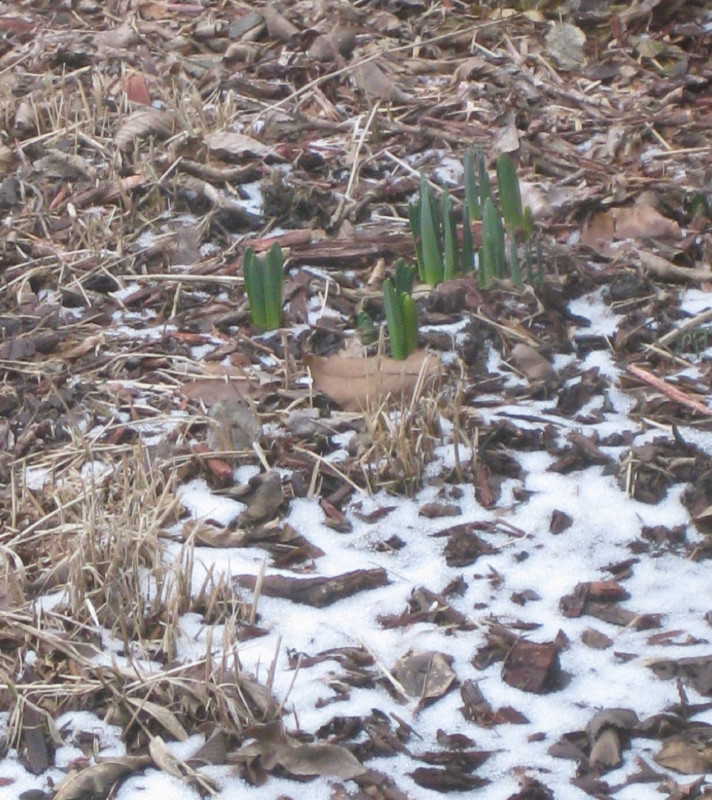
Walking in the early spring air this morning, I got by with a light cotton jacket. Yet the weather remains cool and damp. Green fronds push up from the ground, but the skies are grey. Trees are full of birdsong, though the bare branches appear unchanged since winter.

This almost-spring feels nothing like winter, yet there is no blossoming. As if the earth is saying: This, today, is what I can do. I can bring forth this much, but for now I can go no farther.

And the slow warming is enough. The turning of the seasons is exactly this; nothing more is needed. There is no hurry, no catching up to do. All is sufficient.

***

It’s tempting to discount those efforts we are able to make. How do you make peace with the limits of what you can do?

The Taste of Chartreuse

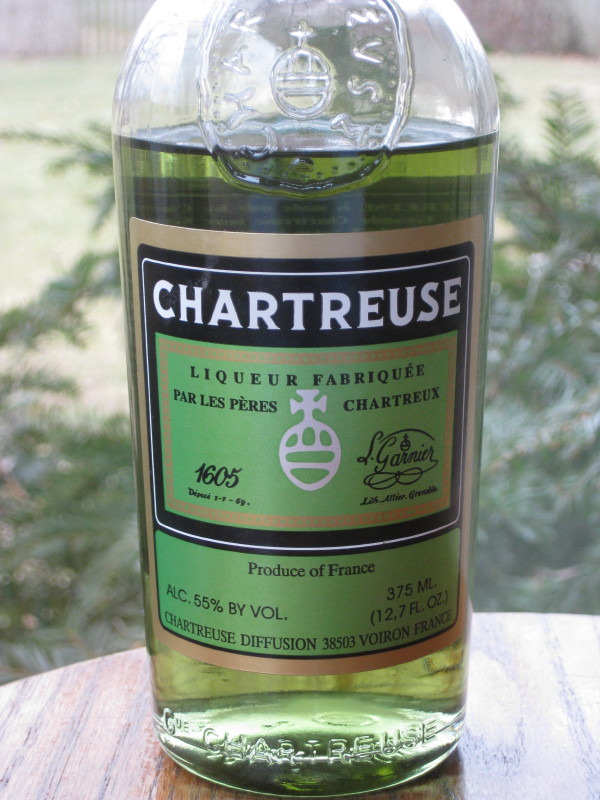
In this season of almost spring (a time described beautifully by Amy Oscar at her blog: Story, Spirit, Seed), I find myself thinking about the taste of Chartreuse. The flavor suggests the greening of the earth, the scent of mown grass and fresh herbs, the return of the sun in spring. Even its luminous yellow-green color speaks of new life.

It’s still a bit early to retrieve the bottle from the dark recesses of the kitchen cabinet. But for the first time in months I remember it’s there, waiting. Its distillation of past growing seasons holds the memory and anticipation of spring.

Chartreuse and its secret recipe have a fascinating history, which lends a delicious mystique to the experience of drinking it. I first tasted the liqueur in the company of dear friends after we watched Into Great Silence together. The film shows the passing of a year in the Carthusian monastery of La Grande Chartreuse, where Chartreuse has been made for centuries.

To watch the film is to experience something of the monastic life, with its beauty and tradition, as well as its constriction and mundaneity. The film evokes both yearning for the spare beauty of the monastery and claustrophobia at its repeated routines. It has no speaking, no soundtrack, only a few frames containing a word or two of French. Sounds such as the creak of a monk’s kneeling bench are heightened, enveloped in profound silence. It’s a beautiful film of changing light and unchanging ritual. I was glad to share its silence with friends, and also glad to speak with them about it afterwards.

The elixir made by the monks is lovely to sip on its own. Mixing it with the clear, cold effervescence of club soda makes a wonderful drink as well, something like the taste of winter giving way to spring.

That transition is a process happening now, at least for those of us in the Northern hemisphere. But how do we know when to celebrate?